
Social Media Archive
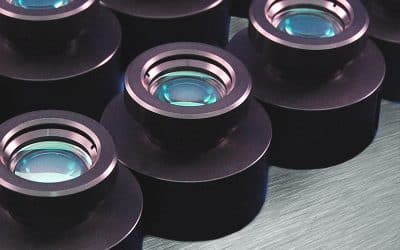
Why choose SWIR lenses for inspection tasks
For any inspection application, the choice of illumination is crucial to achieve repeatability, consistency, accuracy, and effectiveness. Because Short Wavelength Infrared (SWIR) light is reflected...

Introducing application optimized optics
For over 20 years we have developed and supplied application optimised lenses and optical systems to small and large high technology businesses looking to extend what is possible with their camera...
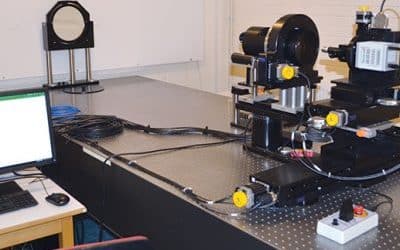
What are the advantages of automated lens testing?
Driven by customer demand for top quality lenses backed by detailed optical performance data, Resolve Optics decided to look at ways to automate and improve testing procedures. When optical design...

What makes Resolve Optics a preferred OEM optics supplier?
For nearly three decades we have taken a customer centric approach to custom optical design and manufacture. Our experienced staff typically take less than one week to provide you with a best fit...

Interview probes key space optics issues
2024 is the year when a host of new satellite and other space-based instruments are planned to be deployed. Key to many of these missions is the integration of high-performance optics designed,...

Optics for defence and military equipment – key considerations
When specifying an optical component for military use, price may be a consideration but more important is top performance and proven resistance to vibration, shock, temperature, and water ingress to...

Compact lens for operating in high radiation areas
The Model 390 is a compact non browning lens for small sensor cameras operating in high radiation areas. Designed to provide high performance imaging up to a total radiation dose of 100,000,000 rad,...
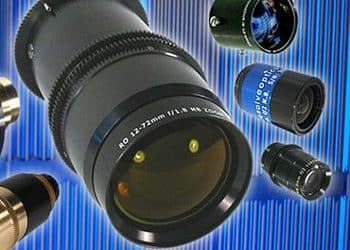
Does non browning glass stay the same colour in a radioactive environment?
In short, no. It is a misconception that the colour of non-browning glass will remain completely unchanged when exposed to radiation. After it has been irradiated non browning glass will change in...
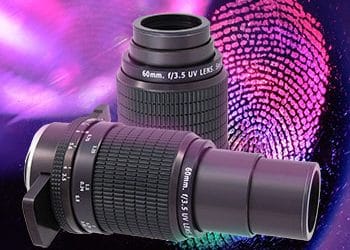
High performance CSI lens
Did you know that our Model 228 lens has become an industry standard for Reflected Ultraviolet Imaging Systems (RUVIS) used to detect fingerprints or bloodstains undiscovered during an initial Crime...