
5, Jul 2023 | Social Media
Q: How can I ensure my optics withstand deployment into space? A: The cost of launching payloads into space is considerable, incorporating only ‘space ready’ ruggedized lenses or optical systems into your satellite or space observation system is critical for achieving...

28, Jun 2023 | Social Media
Industrial camera sensors come in sizes ranging from one-quarter-inch to 1-inch and beyond. Consequently, choosing an optimised lens or lenses to integrate into your product will play a pivotal role in determining your camera performance. A lower resolution lens will...

21, Jun 2023 | Social Media
Manufactured from radiation resistant glass our Model 313 fixed focus lens has an aperture of f/1.4 to enable as much light as possible to be gathered and transmitted to your sensor. Design optimised for use with two-thirds-inch image format cameras, the Model 313 is...

14, Jun 2023 | Social Media
The cosmic radiation emitted during solar events such as sunspots, solar flares, coronal mass ejections and proton storms is well known to have a deteriorating effect on orbiting optical equipment in space as well as astronauts. As you move to the higher orbits, and...

7, Jun 2023 | Social Media
Using an application optimised high resolution lens designed by Resolve Optics – a leading radiotherapy equipment supplier is precisely focusing the high levels of radiation produced by their synchrotron device onto cancerous tumours. Read case study:...
25, May 2023 | Social Media
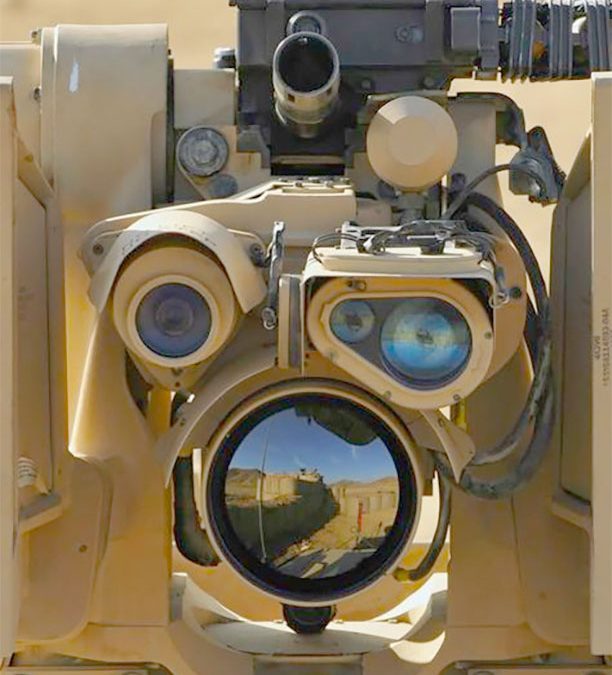
If you design products for military operations ranging from vision systems and target designators used by personnel on the ground, through guidance systems in manned and unmanned aircraft, to reconnaissance and surveillance packages carried by satellites – then...
